
Loading...
Serving Canon City, CO and surrounding areas. (719) 618-9724
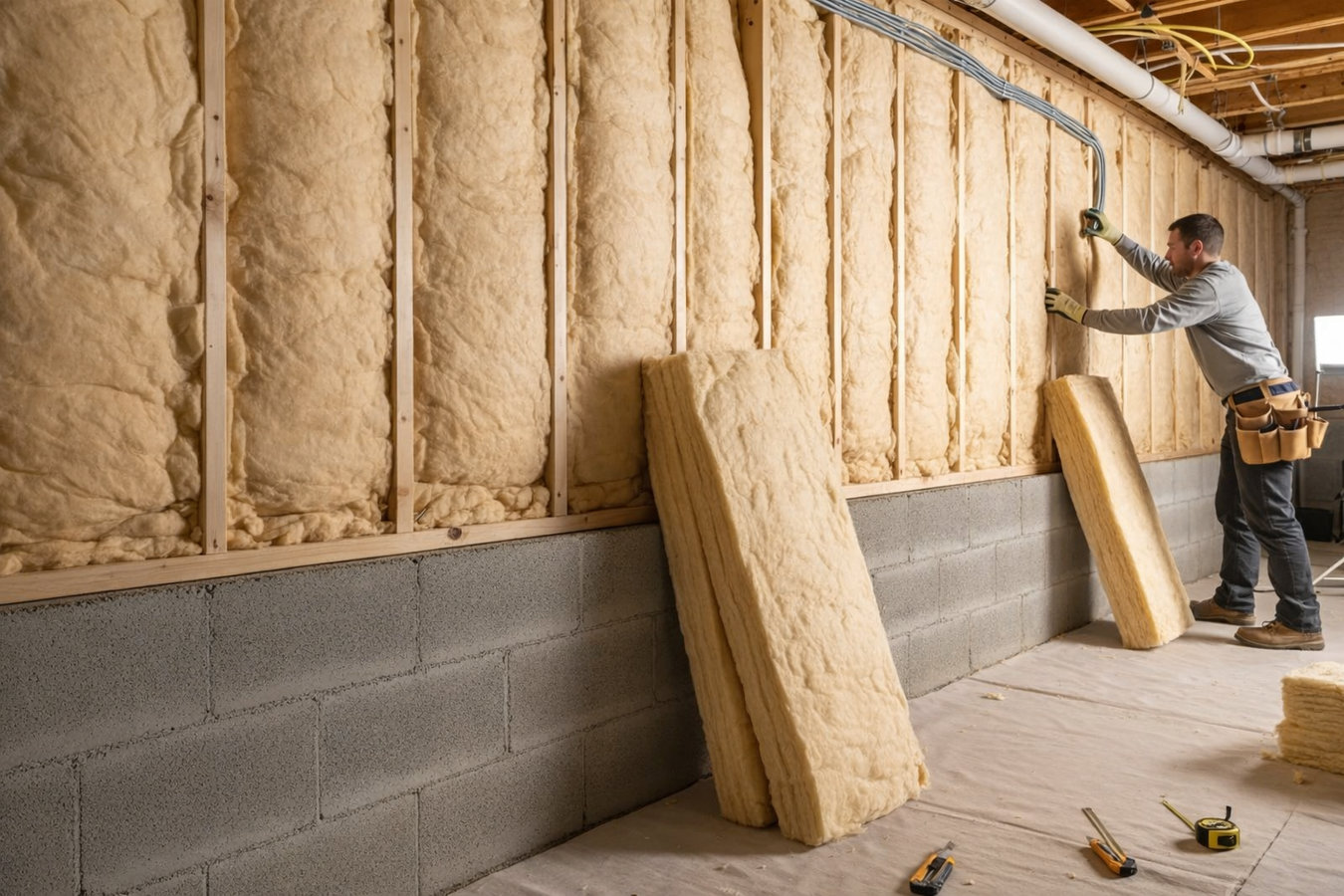
Stop losing heat through your basement walls and floors. We insulate basements in Canon City homes so your main level stays comfortable and your heating bill stops climbing every winter.
Basement insulation in Canon City means adding insulation to your basement walls, rim joists, or ceiling to stop heat from escaping through the lowest level of your home. Most jobs are completed in one to two days and make a noticeable difference in both comfort and heating costs within the first cold season.
If you have been living with cold floors above your basement or watching your heating bill climb every winter, the basement is likely where the heat is going. Many Canon City homes - especially those built before the 1980s - were constructed with little or no basement insulation, and the problem just gets worse as temperatures drop. Pairing basement insulation with crawl space insulation addresses the full lower envelope of your home for maximum energy savings.
The good news is that this is one of the most cost-effective upgrades a Canon City homeowner can make. You do not need a full renovation - just the right materials in the right places, installed by someone who knows what they are doing.
If your gas or electric bill climbs sharply from October through March and your thermostat settings have not changed, your basement is a likely culprit. In Canon City's cold winters, an uninsulated basement can account for a significant share of your home's total heat loss. The furnace runs longer to compensate, and the bill reflects it.
Walk across your kitchen or living room on a cold January morning in bare feet. If the floor feels genuinely uncomfortable rather than just cool, heat is escaping through the basement ceiling below you. This is one of the most common complaints from homeowners in older Canon City homes, and it points directly to missing or failed basement insulation.
Go into your basement on a cold day and check the top of the walls where they meet the floor above. If you can feel a draft, see light through gaps, or notice frost forming on the inside of the wall in winter, cold air is getting in. Canon City's freeze-thaw climate causes these gaps to grow over time as the foundation shifts slightly with the seasons.
If your home was built before the late 1980s and you see nothing but bare concrete or block walls in your basement, there is a good chance no meaningful insulation was ever installed. Homes built in Canon City during that era were constructed to the standards of the time, which were far less demanding than what is expected today. A quick look confirms the situation without any special equipment.
We insulate basement walls, rim joists, and ceilings using the material best suited to your home's layout and your budget. Basement wall insulation is the most common approach for finished or partially finished spaces, and we use rigid foam board or fiberglass batts depending on the wall construction. For homes with significant air leakage around pipes, joists, and foundation gaps, closed-cell foam insulation is often the strongest single upgrade you can make - it seals and insulates in one step and bonds directly to irregular surfaces that batts cannot reach.
Many basements also benefit from ceiling insulation - the underside of your first floor - which directly addresses cold floors above. This is especially effective when the basement is unheated or used only for storage. In every case, we check for moisture and seal any cracks before any insulation goes in. A dry surface is the foundation of insulation work that lasts.
Best for finished or semi-finished basements where you want to create a thermal barrier along the perimeter walls.
Ideal for stopping drafts and air leakage at the critical gap where the foundation wall meets the floor framing.
The right choice when your basement is unheated and you want to keep warmth in the living space above.
Canon City sits at roughly 5,300 feet in the Arkansas River valley, where winter lows regularly drop into the single digits and daily temperature swings of 30 to 40 degrees are common. That kind of thermal cycling puts constant pressure on your basement walls and any gaps in your insulation. Homeowners here tend to feel the benefit of a well-insulated basement faster and more clearly than people in milder climates - your furnace simply does not have to fight as hard. The Florence area and the communities around Penrose share the same valley climate and the same older housing stock, and we work in both regularly.
A large share of Canon City's homes were built before modern energy codes required meaningful basement insulation - many date to the mid-20th century or earlier. Older homes in this area often have uninsulated concrete block or stone foundation walls that were never intended to keep heat in. Canon City's freeze-thaw cycles also cause small cracks in foundation walls over time, and even a hairline crack can let cold air in and drive up heating costs. We check for these cracks during every assessment and recommend sealing them before insulation goes in, because that step matters even more here than it would in a milder climate. For an authoritative look at basement insulation best practices, the U.S. Department of Energy publishes detailed guidance on basement insulation techniques and R-value recommendations by climate zone.
We ask a few quick questions about your basement size, whether it is finished, and whether you have noticed any moisture. You will hear back within one business day, and we schedule an in-home visit at a time that works for you.
A contractor visits to look at wall construction, existing insulation, and any signs of moisture or air leakage. This takes 30 to 60 minutes and is your best chance to describe what you have been noticing. We explain what we find before we ever mention a price.
After the assessment, you get a written quote that breaks down materials and scope. There is no obligation. If you are getting multiple estimates - which we encourage - we are happy to walk you through ours line by line so you can compare fairly.
Most jobs take one to two days. Your main living areas stay fully accessible throughout. When we finish, we walk you through the completed installation so you can see exactly what was done. We clean up before we leave.
Free estimate. Written quote. No pressure, no obligation.
(719) 618-9724We inspect your basement walls for cracks and moisture before a single piece of insulation goes in. Skipping this step is how insulation traps dampness and causes mold behind the wall. We do not skip it, and we will tell you upfront if there is a moisture issue that needs to be addressed first.
We work on Canon City homes of every age and style - from older concrete block basements near downtown to the ranch-style homes east of town. Knowing local housing stock means fewer surprises and faster work.
You get a clear, itemized quote before any work begins. Nothing starts until you have approved every part of it. NAIMA sets the industry installation standards we follow on every job.
We handle any permits your basement project requires and coordinate directly with the Fremont County building department. Every job is documented from start to finish, so you have a clear record of the work completed on your home.
These are not talking points - they are the things that make the difference between insulation that works for years and insulation that creates problems. Canon City homeowners deserve straightforward work from a contractor who will still be here if a question comes up later.
High-performance spray foam that seals air leaks and insulates in one application - ideal for rim joists and basement walls with irregular gaps.
Learn MoreInsulate and seal your crawl space to protect the lower envelope of your home and prevent cold air from rising into living areas.
Learn MoreFall slots fill fast in Canon City - call us now to lock in your estimate before the cold arrives and calendars close.